
Will tallow body butter make sense for your skin?
Start with your skin type, your use area, and your tolerance for rich textures. The goal is not to convince everyone. The goal is to help the right visitor feel confident.
Dry body skin
This is the strongest fit. Use after bathing or before bed on shins, elbows, knees, hands, feet, and rough patches that need a richer layer.
Normal skin
Use as a cold-weather, after-shower, or spot-treatment body butter instead of an all-over daily layer.
Sensitive skin
Choose the simplest scent direction, patch test first, and stop if you notice burning, rash, itch, or unusual redness.
Oily or acne-prone skin
Be cautious on the face, chest, and back. Rich occlusive products can feel too heavy and may contribute to clogged pores for some people.
Mature skin
Use anywhere skin feels dry, thin, or tight. The rich texture can make body skin feel more comfortable and flexible.
Medical skin conditions
Eczema, psoriasis, dermatitis, infections, wounds, and severe cracking need medical guidance. This is a cosmetic moisturizer, not a treatment plan.
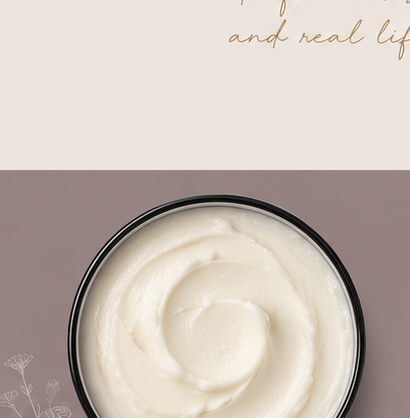
Apply a tiny amount to a small area, such as the inner forearm. Wait 24 hours. If skin feels calm, try a small body area. If irritation appears, stop using it.
The right amount feels expensive. Too much feels oily.
Most people who find body butter greasy are using it like lotion. This formula works best as a warmed, targeted layer.
Use a rice-grain amount after washing, then add a tiny second layer to knuckles before bed.
Apply after a shower while skin is slightly damp. Start at the shins, where dryness usually shows first.
Use a pea-sized amount per heel at night. Socks can help the butter stay where you put it.
Test behind the ear or jawline first. Avoid if you are acne-prone or easily congested.
Wild & Soft is not for every skin story. It is for the visitor who wants rich, simple, body-first softness.
That honest boundary makes the product more trustworthy, not less exciting.